


A practical guide to growing mushrooms in IndiaA joint educational initiative by MushroomWale & DMR Solan
MushroomFarming.in

A joint educational initiative by

MushroomWale.com
ICAR–Directorate of Mushroom Research, Solan logoICAR–DMRSolan

MushroomFarming / species profile

Paddy straw mushroom knowledge system

Learn Volvariella as a fast, warm cultivation and post-harvest system, not generic oyster farming. Evidence, method and India-context boundaries remain visible.
4 full chapters + technical referenceSources & review ↓
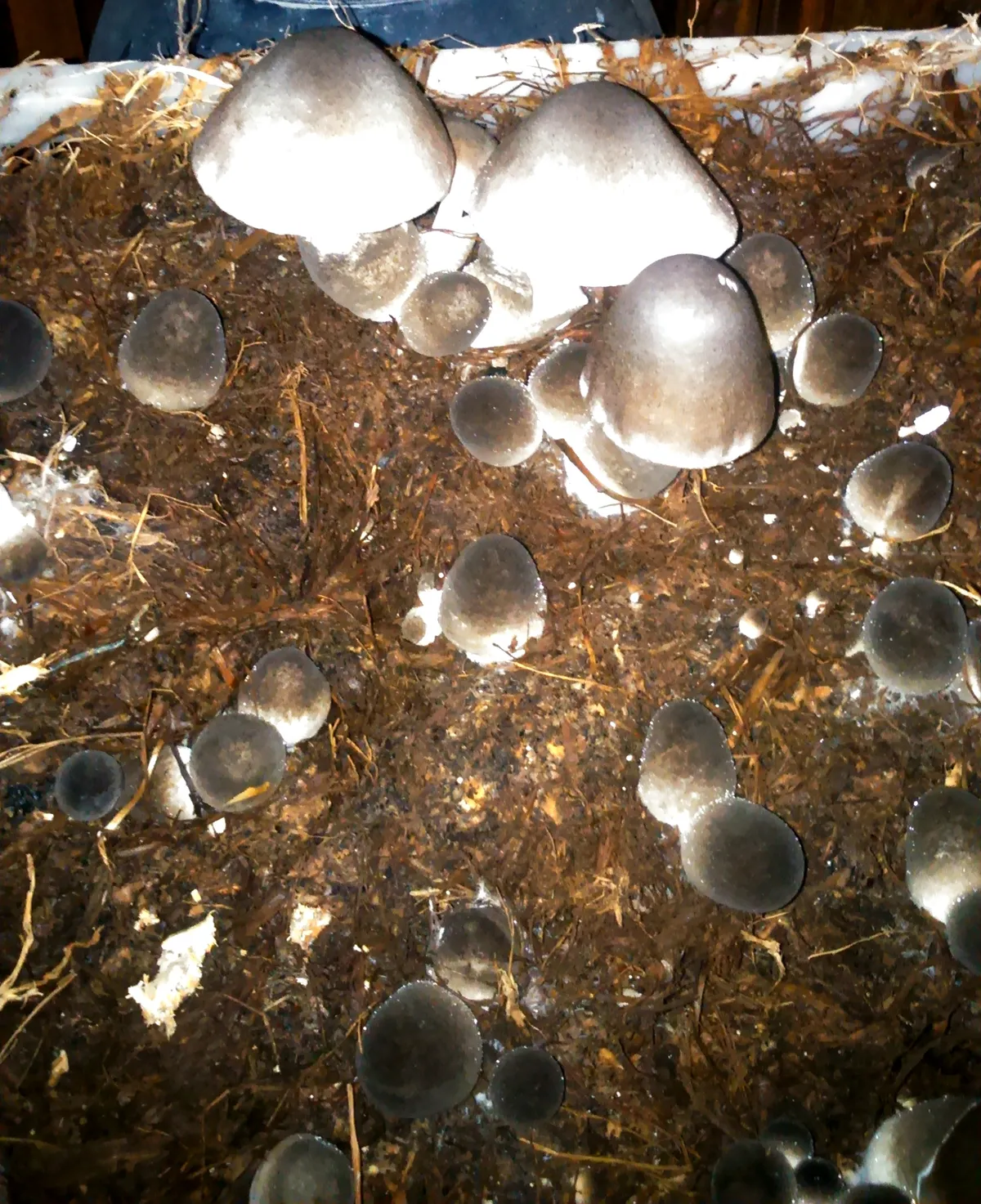
Volvariella volvacea buttons and open caps growing on a cultured rice-straw bed, displayed at Jejamuran, Yogyakarta, Indonesia.
Real cultivation photograph. Read its source for location and context; it is not a universal operating specification.Kembangraps · CC BY-SA 4.0View full photograph ↗
On this pageChoose a section, or keep reading below
The full field guide

Plan Paddy straw mushroom as a fast, closely attended crop

Keep the cultivation method, bed observations and harvest-to-buyer schedule connected from the start.

Choose a picture to understand that part of the process.

  1. 01Choose a bed system
  2. 02Build a traceable bed
  3. 03Inspect development
  4. 04Prepare for dispatch

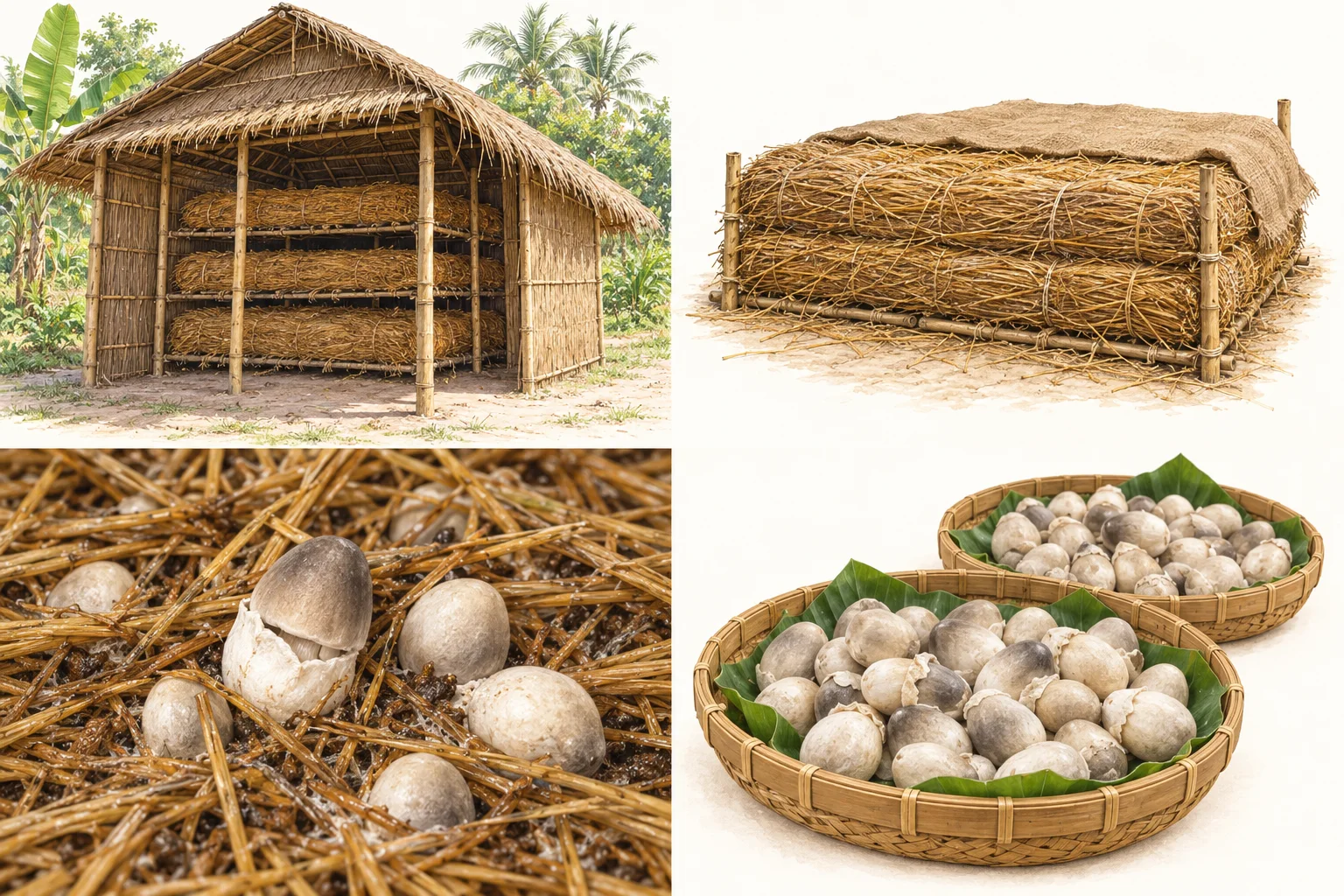
AI-generated teaching illustrations · Not photographs of actual farms

Chapter 01

Choose one complete cultivation method

Paddy straw mushroom, commonly Volvariella volvacea, is a warm-condition mushroom. Traditional straw-bundle beds and more controlled indoor substrate systems have different preparation and management steps. Obtain training in one complete method. Mixing a bed layout from one system, treatment from another and a third system's watering advice makes the outcome difficult to interpret.

Inspect the growing location for shade, protection from rain, drainage, contamination sources and access during harvest. Measure conditions at the bed as well as nearby air. Before preparing material, agree how the crop will be sold and who will inspect it when the main operator is absent. A short crop cycle still demands timely attention.

Chapter 02

Build traceability into each bed

Use clean, suitable substrate and traceable spawn. Keep the material source and preparation record with the bed identity. Follow the trained method for wetting, treatment, draining, bed arrangement and spawning. Extra supplements or extra water are not harmless shortcuts; they change the growing environment and potential competitor growth.

Label the bed with its preparation date, method and spawn lot. Keep a sketch of the arrangement and locations checked. If one group of beds receives a different material batch, record it explicitly. This allows you to compare performance without relying on memory after several beds have already been removed.

Chapter 03

Inspect development without turning every symptom into watering advice

Watch both the bed and the crop. Record delayed development, competitor growth, insects, excess wetness and differences between exposed and sheltered areas. Compare these with preparation, rain or watering events and local measurements. If a crop changes rapidly, increase observation rather than assuming the next routine inspection will be soon enough.

When a problem appears, prevent unnecessary movement of suspect material through clean areas and obtain a crop-specific assessment. Do not transfer pesticide or substrate-treatment doses from old training documents directly into a current operating instruction. Safety, current registration, crop use and the exact problem must be checked independently.

Organise an observation before seeking advice
ObservationRecords to compareQuestion for the adviser
Several beds start poorlySubstrate preparation and spawn lotIs the problem linked to inputs or preparation?
Exposed edges differ from centresBed position, weather and wateringCould the local bed environment explain the pattern?
A different fungus appearsPhotos, first occurrence and affected bedsWhat evidence is needed for identification and containment?
Chapter 04

Arrange the harvest route before mushrooms mature

Agree the development stage and quality your buyer will accept, then organise picking, clean containers and dispatch around that specification. Use a species-specific post-harvest plan; storage conditions suitable for another mushroom must not be assumed suitable here. Ask your trainer or post-harvest specialist for the handling and storage protocol for your product and route.

Reconcile harvested, dispatched, accepted, rejected and paid quantities. Older extension publications include illustrative prices and earnings; those figures describe their historical examples, not your present market. Test a real buyer route and record actual preparation costs, labour, losses and payment delays before treating the enterprise as repeatable.

Chapter sources & scope

These are educational explanations, not an independently reviewed operating protocol. Worked examples do not predict your yield or income.

Back to the chapter list ↑

Understand the topic

The key ideas, at a glance.

Learn Volvariella as a fast, warm cultivation and post-harvest system, not generic oyster farming. This topic belongs to a Volvariella bed or validated container method with fast development and a route-to-market planned before harvest.

Part 01

Why this stage matters

Learn Volvariella as a fast, warm cultivation and post-harvest system, not generic oyster farming.

Illustration of a shaded traditional straw-bundle growing bed in an Indian hut.
AI teaching illustrationChoose a bed system

Traditional beds and controlled indoor systems are different methods. Combining isolated instructions from different methods can create gaps.

Conceptual explanation—not a real farm photograph, diagnostic finding or construction specification.
Part 02

Method boundary

This topic belongs to a Volvariella bed or validated container method with fast development and a route-to-market planned before harvest.

  • Confirm the culture as Volvariella volvacea, with strain or variety recorded where available.
  • Confirm one method: straw bed or validated bag or crate system.
  • Record substrate source, treatment class, batch and contamination observations.
Part 03

Observe and record

Use batch records, stage dates, room observations and contamination patterns. Compare the crop with its own prior condition before changing several variables at once.

Illustration of cultivated Paddy straw mushrooms in shallow baskets, including some opening fruit bodies.
AI teaching illustrationPrepare for dispatch

The harvest-to-buyer route is part of the production plan. The pictured forms are not a universal buyer-grade specification.

Conceptual explanation—not a real farm photograph, diagnostic finding or construction specification.
Part 04

Evidence status

The page publishes process relationships supported by primary institutional sources. Numeric recipes remain absent where source context, strain identity or specialist review is incomplete.

Keep exploring

Every part of this topic.

Choose the stage, material or decision you need to understand next.

01

Paddy straw mushroom cultivation overview

Connect bed or validated container preparation to rapid development, harvest and immediate dispatch. Evidence, method and India-context boundaries remain visible.

02

Paddy straw mushroom biology

Understand cultivated Volvariella development in a known crop without using morphology to identify wild food. Evidence, method and India-context boundaries remain visible.

03

Paddy straw mushroom varieties

Retain source labels and institutional release context until species and variety identity are verified. Evidence, method and India-context boundaries remain visible.

04

Paddy straw mushroom substrates

Distinguish paddy straw and validated cotton-waste systems by method, availability, handling and evidence. Evidence, method and India-context boundaries remain visible.

05

Paddy straw mushroom bed preparation

Build the protected bed as a method-specific physical and biological system. Evidence, method and India-context boundaries remain visible.

06

Paddy straw mushroom spawning

Place traceable spawn within the selected bed or container method and record the batch. Evidence, method and India-context boundaries remain visible.

07

Paddy straw mushroom spawn run

Observe rapid colonization while managing bed condition and contamination risk. Evidence, method and India-context boundaries remain visible.

08

Paddy straw mushroom fruiting

Coordinate the warm crop environment, bed state and fast transition into harvestable development. Evidence, method and India-context boundaries remain visible.

09

Paddy straw mushroom climate

Evaluate local warm-season evidence and protected cultivation separately from controlled-room production. Evidence, method and India-context boundaries remain visible.

10

Paddy straw humidity context

Read room and bed moisture together while avoiding prolonged wetness and single-number control. Evidence, method and India-context boundaries remain visible.

11

Paddy straw ventilation

Support crop development through protected but responsive air management. Evidence, method and India-context boundaries remain visible.

12

Paddy straw development stages

Use cultivated-crop stage records to time observation and harvest, never wild-mushroom consumption identification. Evidence, method and India-context boundaries remain visible.

13

Paddy straw mushroom harvest

Match fast maturity change to labour, handling, buyer timing and dispatch. Evidence, method and India-context boundaries remain visible.

14

Paddy straw mushroom diseases

Investigate bed distribution, stage, material history and weather before assigning a biological cause. Evidence, method and India-context boundaries remain visible.

15

Paddy straw mushroom pests

Track pest presence, damage and entry through straw, bed area and surroundings. Evidence, method and India-context boundaries remain visible.

16

Paddy straw crop troubleshooting

Use bed, weather, stage and development timing to separate candidate causes. Evidence, method and India-context boundaries remain visible.

17

Paddy straw mushroom post-harvest

Plan for its exceptionally short ambient handling window and rapid cap opening before production begins. Evidence, method and India-context boundaries remain visible.

18

Paddy straw mushroom business context

Treat route-to-market speed, seasonal reliability, rejection and unsold product as core feasibility variables. Evidence, method and India-context boundaries remain visible.

Go deeper

Technical reference, records and tools.

Detailed crop-stage information, parameters, diagrams and specialist tools are kept together below. This material retains its source conditions and review limits.

Open the complete technical reference

Crop guide

Paddy straw mushroom knowledge system

Learn Volvariella as a fast, warm cultivation and post-harvest system, not generic oyster farming. Evidence, method and India-context boundaries remain visible.

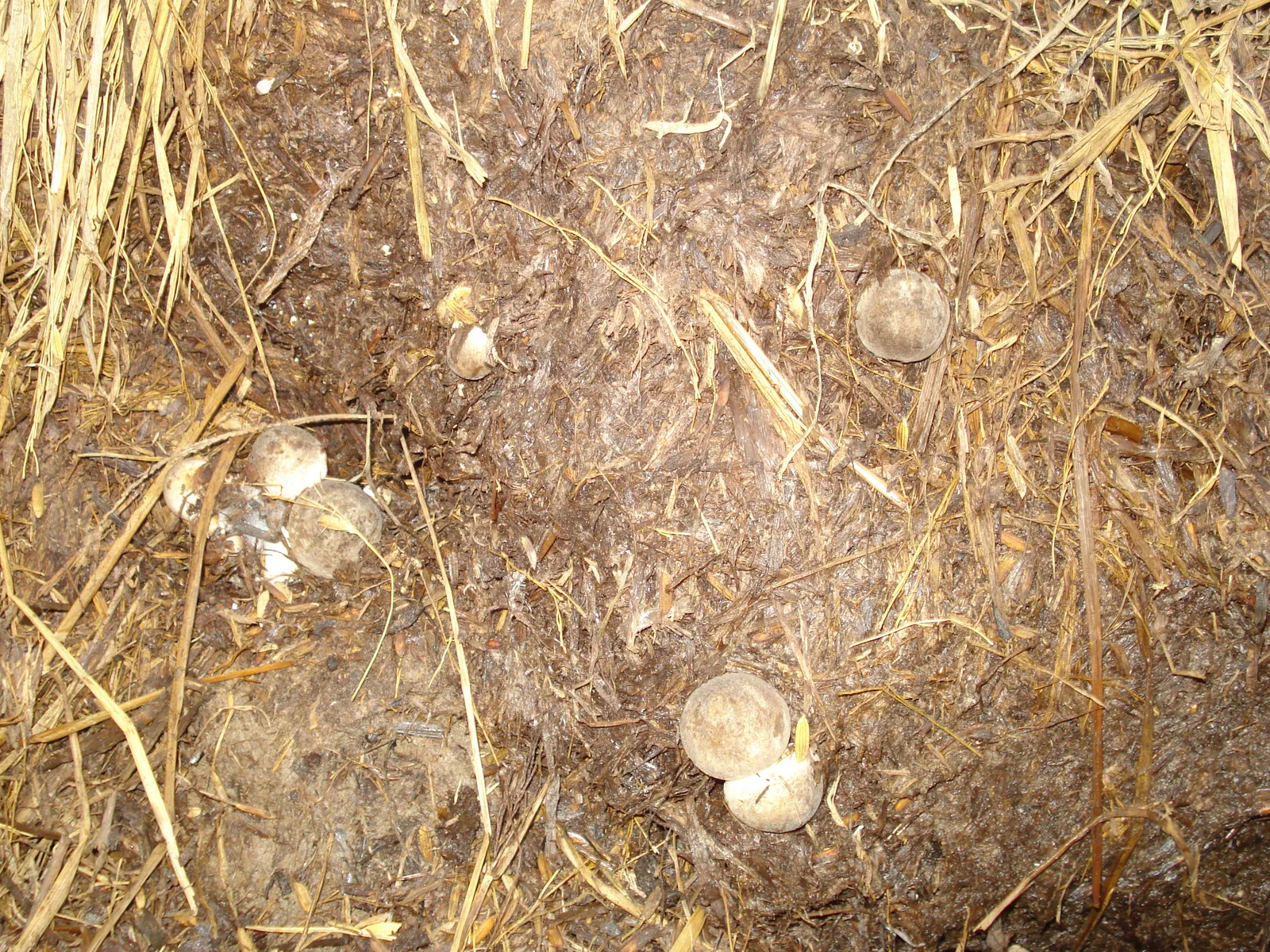
Egg-stage paddy straw mushrooms (Odia: pala chhatu) emerging from a rice-straw bed, Odisha, India.
Paddy straw mushrooms at egg stage on a straw bed, Odisha. Photo: Swetapadma07, CC BY-SA 3.0. Source

The crop at a glance

Published ICAR-DMR reference values for Indian conditions. Species, strain and your room decide the final numbers.

Growing temperature30-35°CHumidity 80 to 85 percent; the fastest and most heat-loving cultivated mushroom.Source: ICAR-DMR
Crop cycle20-25daysFirst harvest 10 to 12 days after spawning on straw beds.Source: ICAR-DMR
Yield10-15kg / 100 kg dry strawLower biological efficiency, short shelf life; sell within a day.Source: ICAR-DMR
SeasonMar-OctHot, humid months in plains and coastal India.Source: ICAR-DMR
  • No context-free setpoints
  • No profit promises
  • Species comes first
  • No medical marketing

Identity before method

Paddy straw mushroom

Volvariella volvacea

Taxonomy note
Cultivated Volvariella species and variety identity must be verified from the source.
India readiness
developingLongstanding cultivation knowledge exists, but the crop is strongly constrained by method, climate and a very short post-harvest window.
Method difficulty
intermediate
Casing
method-dependent
Production systems
straw bed; validated bag or crate system
Post-harvest
Exceptionally time-sensitive after harvest; cap opening and rapid deterioration make route-to-market part of cultivation planning.

Production method records

One species can require more than one cultivation model.

PAD-STRAW-BED

Paddy straw bed system

Substrate
clean paddy straw with verified history
Container
formed bed in a protected cultivation area
Treatment
Method-specific wetting and treatment; not described as an oyster pasteurization recipe.
Scale context
seasonal batch with route-to-market synchronized to harvest
  1. Straw inspection
  2. Bed preparation
  3. Layered spawning
  4. Spawn run
  5. Fruiting
  6. Development-stage observation
  7. Early harvest
  8. Immediate dispatch

Canonical learning map

18 distinct routes for this crop system.

01
Paddy straw mushroom cultivation overview

Connect bed or validated container preparation to rapid development, harvest and immediate dispatch. Evidence, method and India-context boundaries remain visible.

02
Paddy straw mushroom biology

Understand cultivated Volvariella development in a known crop without using morphology to identify wild food. Evidence, method and India-context boundaries remain visible.

03
Paddy straw mushroom varieties

Retain source labels and institutional release context until species and variety identity are verified. Evidence, method and India-context boundaries remain visible.

04
Paddy straw mushroom substrates

Distinguish paddy straw and validated cotton-waste systems by method, availability, handling and evidence. Evidence, method and India-context boundaries remain visible.

05
Paddy straw mushroom bed preparation

Build the protected bed as a method-specific physical and biological system. Evidence, method and India-context boundaries remain visible.

06
Paddy straw mushroom spawning

Place traceable spawn within the selected bed or container method and record the batch. Evidence, method and India-context boundaries remain visible.

07
Paddy straw mushroom spawn run

Observe rapid colonization while managing bed condition and contamination risk. Evidence, method and India-context boundaries remain visible.

08
Paddy straw mushroom fruiting

Coordinate the warm crop environment, bed state and fast transition into harvestable development. Evidence, method and India-context boundaries remain visible.

09
Paddy straw mushroom climate

Evaluate local warm-season evidence and protected cultivation separately from controlled-room production. Evidence, method and India-context boundaries remain visible.

10
Paddy straw humidity context

Read room and bed moisture together while avoiding prolonged wetness and single-number control. Evidence, method and India-context boundaries remain visible.

11
Paddy straw ventilation

Support crop development through protected but responsive air management. Evidence, method and India-context boundaries remain visible.

12
Paddy straw development stages

Use cultivated-crop stage records to time observation and harvest, never wild-mushroom consumption identification. Evidence, method and India-context boundaries remain visible.

13
Paddy straw mushroom harvest

Match fast maturity change to labour, handling, buyer timing and dispatch. Evidence, method and India-context boundaries remain visible.

14
Paddy straw mushroom diseases

Investigate bed distribution, stage, material history and weather before assigning a biological cause. Evidence, method and India-context boundaries remain visible.

15
Paddy straw mushroom pests

Track pest presence, damage and entry through straw, bed area and surroundings. Evidence, method and India-context boundaries remain visible.

16
Paddy straw crop troubleshooting

Use bed, weather, stage and development timing to separate candidate causes. Evidence, method and India-context boundaries remain visible.

17
Paddy straw mushroom post-harvest

Plan for its exceptionally short ambient handling window and rapid cap opening before production begins. Evidence, method and India-context boundaries remain visible.

18
Paddy straw mushroom business context

Treat route-to-market speed, seasonal reliability, rejection and unsold product as core feasibility variables. Evidence, method and India-context boundaries remain visible.

Trace the boundary

Evidence and limitations

technical-bulletin · tier APaddy straw mushroom cultivation

Indian institutional cultivation context for Volvariella systems and crop stages.

Historic bulletin values are not presented as universal modern setpoints, shelf-life guarantees or commercial expectations.

Open primary source
research-report · tier AICAR annual report 2022 to 2023

Institutional trial context for low-cost paddy straw mushroom systems.

Report summaries do not establish all-India suitability or a complete operating protocol.

Open primary source
technical-bulletin · tier APost-harvest technology of mushrooms

Species-specific post-harvest deterioration patterns and handling context.

Historic shelf-life statements depend on maturity, handling, packaging and storage conditions and are not reproduced as guarantees.

Open primary source

Read the evidence

Sources & review.

Editorial update: 2026-09-03. Independent technical review is not recorded for this entry.

  1. Paddy straw mushroom cultivation

    ICAR Directorate of Mushroom Research · 2007

  2. ICAR annual report 2022 to 2023

    Indian Council of Agricultural Research

  3. Post-harvest technology of mushrooms

    ICAR Directorate of Mushroom Research

Reading a source is not the same as applying its instructions to every farm. Confirm species, strain, crop stage, system, region and publication date. Old chemical recommendations are not current-use instructions.

See something that needs correcting? Tell us →