

A practical guide to growing mushrooms in IndiaA joint educational initiative by MushroomWale & DMR Solan
MushroomFarming.in

A joint educational initiative by

MushroomWale.com
ICAR–Directorate of Mushroom Research, Solan logoICAR–DMRSolan

MushroomFarming / article

Which mushroom should I grow?

Use location, season, room control, substrate, skill, scale and market to form candidates, poor fits and verification questions. Evidence, method and India-context boundaries remain visible.

Practical explanation + detailed referenceSources & review ↓
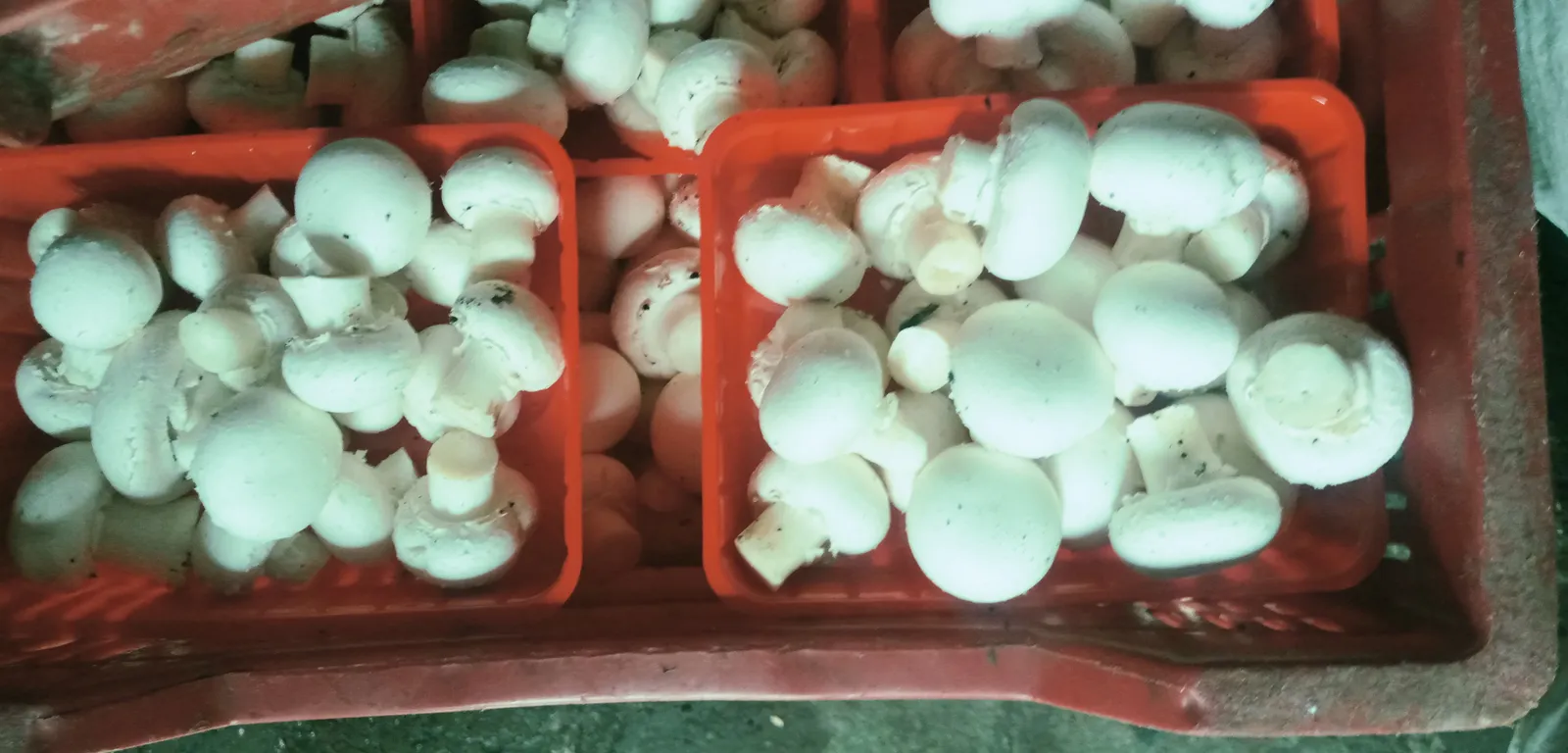
Freshly harvested white button mushrooms sorted into red plastic punnets inside a crate, Tamil Nadu, India (Tamil caption 'button mushroom').
Real cultivation photograph. Read its source for location and context; it is not a universal operating specification.POURNIMA D · CC BY-SA 4.0View full photograph ↗
On this pageChoose a section, or keep reading below

multi-species · tool

Which mushroom should I grow?

Use location, season, room control, substrate, skill, scale and market to form candidates, poor fits and verification questions. Evidence, method and India-context boundaries remain visible.

Publication
Public editorial page
Evidence records
2
External review
Not yet recorded
Wild ID
Not provided
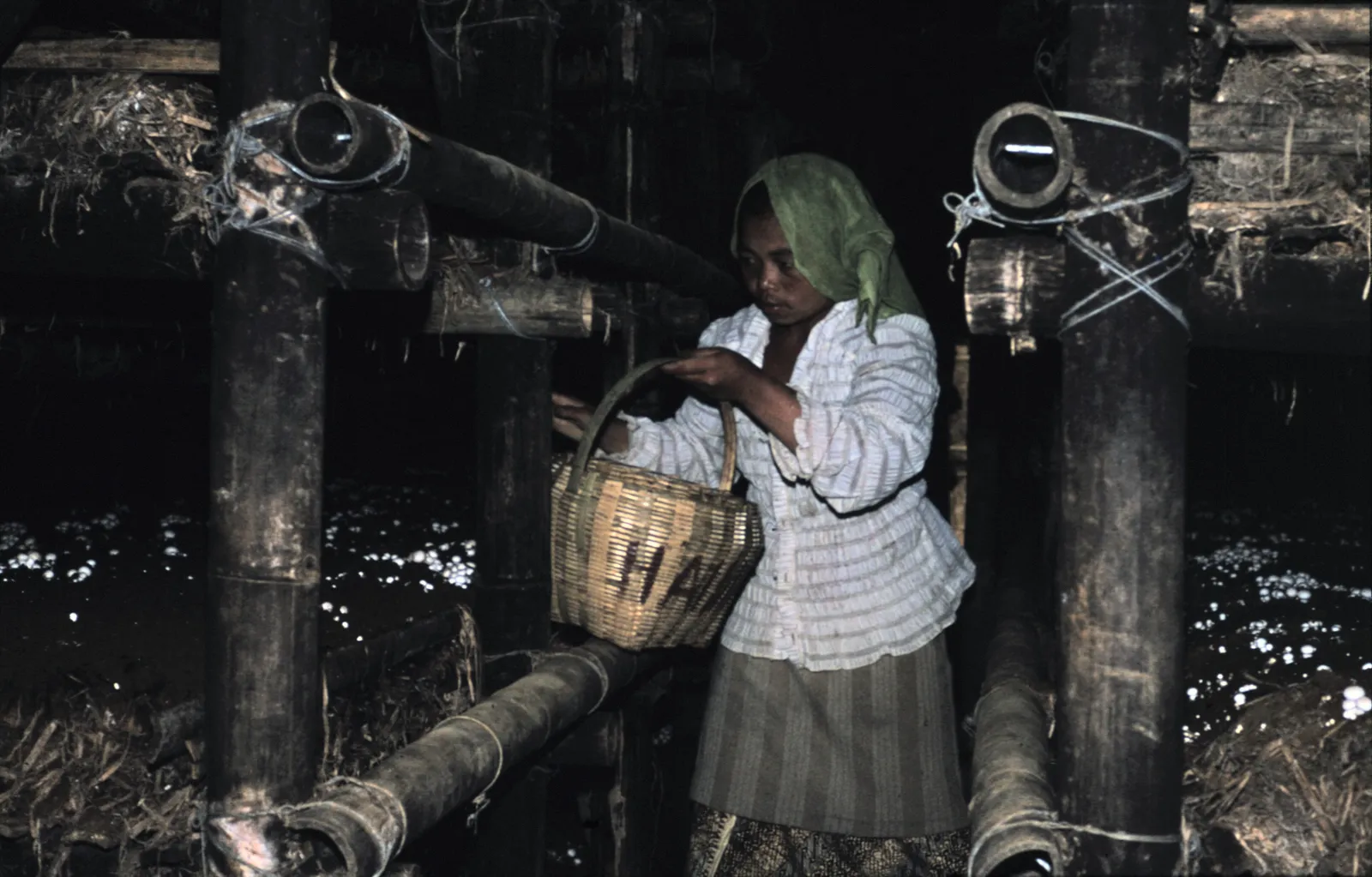
A woman picker with a woven basket harvests button mushrooms by hand from tiered bamboo bed racks, PT Dieng Djaya farm, Wonosobo, Central Java (archival, 1979). Downloaded as the 3840px Commons JPEG render; original is 4972x3177 image/tiff (94 MB).
Woman hand-harvesting button mushrooms from tiered bamboo bed racks into a basket (Indonesia). Photo: Steijlen, Fridus, CC BY 4.0. Source

A button mushroom and where it lives

What we eat is the fruit. The organism itself lives inside the compost as mycelium.

CapGills: spores form hereVeil: pick before it opensStipe (stem)Casing layer, 3 to 4 cmCompost: the foodMycelium: the real organism

Quick orientation

Use location, season, room control, substrate, skill, scale and market to form candidates, poor fits and verification questions. This page preserves taxon identity, production method, evidence maturity and Indian commercial context.

01

Why this stage matters

Use location, season, room control, substrate, skill, scale and market to form candidates, poor fits and verification questions.

02

Method boundary

This page preserves taxon identity, production method, evidence maturity and Indian commercial context.

  • Record species and strain.
  • Record method and substrate.
  • Record location, month and environmental-control capability.
03

Observe and record

Use batch records, stage dates, room observations and contamination patterns. Compare the crop with its own prior condition before changing several variables at once.

04

Evidence status

The page publishes process relationships supported by primary institutional sources. Numeric recipes remain absent where source context, strain identity or specialist review is incomplete.

Decision support, not a profit predictor

Build a species shortlist from your constraints.

State and month are recorded as context. The tool does not invent weather or substitute a rough map for local observations.

Trace the boundary

Evidence and limitations

institutional · tier AResearch programmes

Current institutional scope for cultivated and specialty mushroom research in India.

Research scope does not by itself establish a farm recommendation, commercial readiness or strain-specific operating range.

Open primary source
regulatory · tier AFood Safety and Standards Advertising and Claims Regulations

Governance boundary for food advertising, nutritional statements and health claims in India.

The platform provides cultivation education, not product claim approval or legal advice. Current amendments and product classification still require verification.

Open primary source
Understand the topic

Start with the explanation.

Use location, season, room control, substrate, skill, scale and market to form candidates, poor fits and verification questions. This page preserves taxon identity, production method, evidence maturity and Indian commercial context.

Part 01

Why this stage matters

Use location, season, room control, substrate, skill, scale and market to form candidates, poor fits and verification questions.

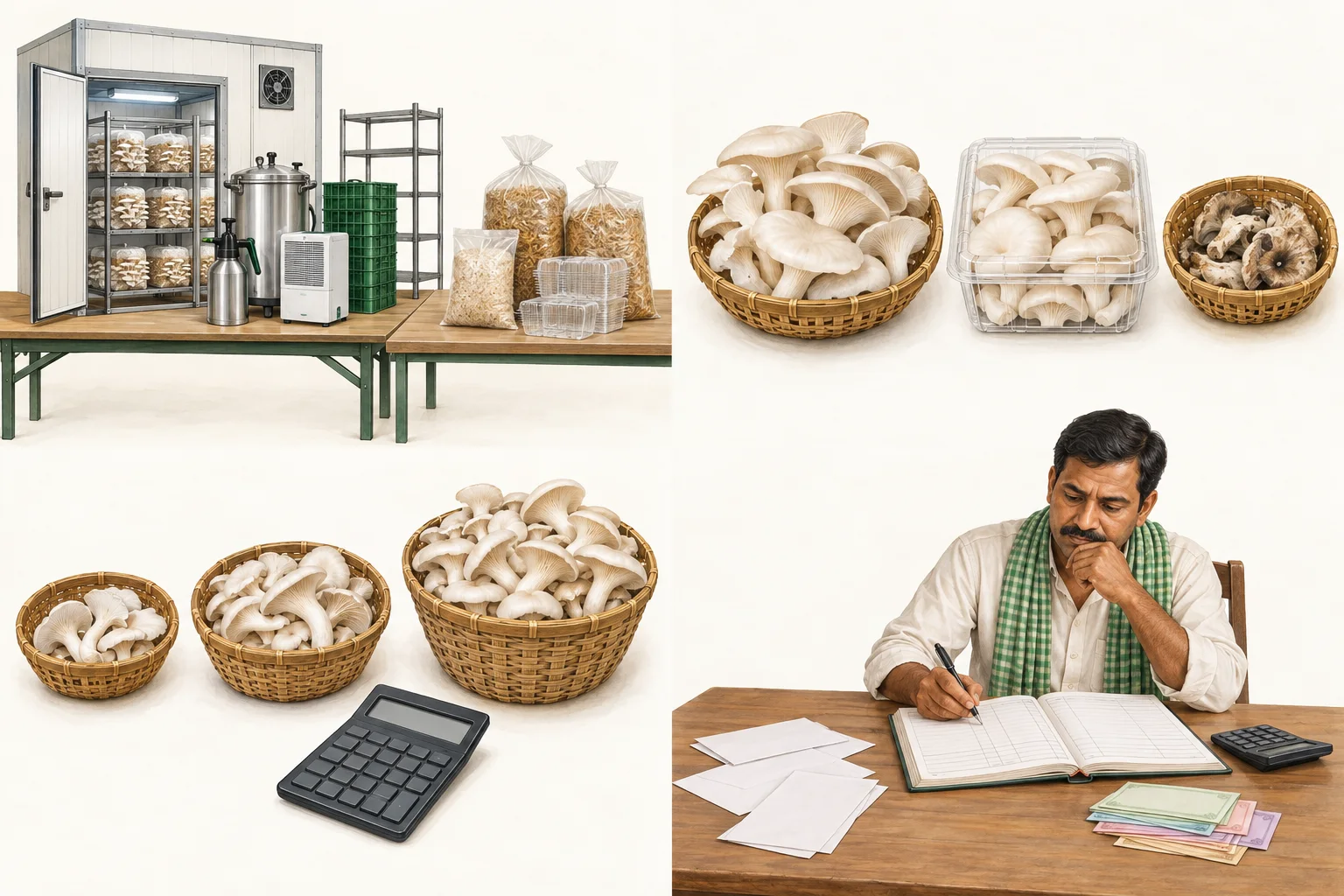
Conceptual illustration of farm structures and equipment beside consumable growing inputs.
AI teaching illustrationAssets and running inputs

Equipment investment and recurring crop inputs are different costs. Comparisons only work when they include the same cost boundary.

Conceptual explanation—not a real farm photograph, diagnostic finding or construction specification.
Part 02

Method boundary

This page preserves taxon identity, production method, evidence maturity and Indian commercial context.

  • Record species and strain.
  • Record method and substrate.
  • Record location, month and environmental-control capability.
Part 03

Observe and record

Use batch records, stage dates, room observations and contamination patterns. Compare the crop with its own prior condition before changing several variables at once.

Illustration of a grower reconciling invoices, a ledger and cash.
AI teaching illustrationFollow the payments

A sales invoice and cash in hand can arrive at different times. An operating surplus can coexist with a cash shortage.

Conceptual explanation—not a real farm photograph, diagnostic finding or construction specification.
Part 04

Evidence status

The page publishes process relationships supported by primary institutional sources. Numeric recipes remain absent where source context, strain identity or specialist review is incomplete.

Read the evidence

Sources & review.

Editorial update: 2026-09-03. Independent technical review is not recorded for this entry.

  1. Research programmes

    ICAR Directorate of Mushroom Research

  2. Food Safety and Standards Advertising and Claims Regulations

    Food Safety and Standards Authority of India

Reading a source is not the same as applying its instructions to every farm. Confirm species, strain, crop stage, system, region and publication date. Old chemical recommendations are not current-use instructions.

See something that needs correcting? Tell us →