


A practical guide to growing mushrooms in IndiaA joint educational initiative by MushroomWale & DMR Solan ↗
MushroomFarming.in

A joint educational initiative by

MushroomWale.com
ICAR–Directorate of Mushroom Research, Solan logoICAR–DMRSolan

MushroomFarming / article

Oyster substrate pasteurization

Understand a pasteurization-class treatment as a controlled reduction step, not a synonym for sterilization. Evidence, method and India-context boundaries remain visible.

Practical explanation + detailed referenceSources & review ↓
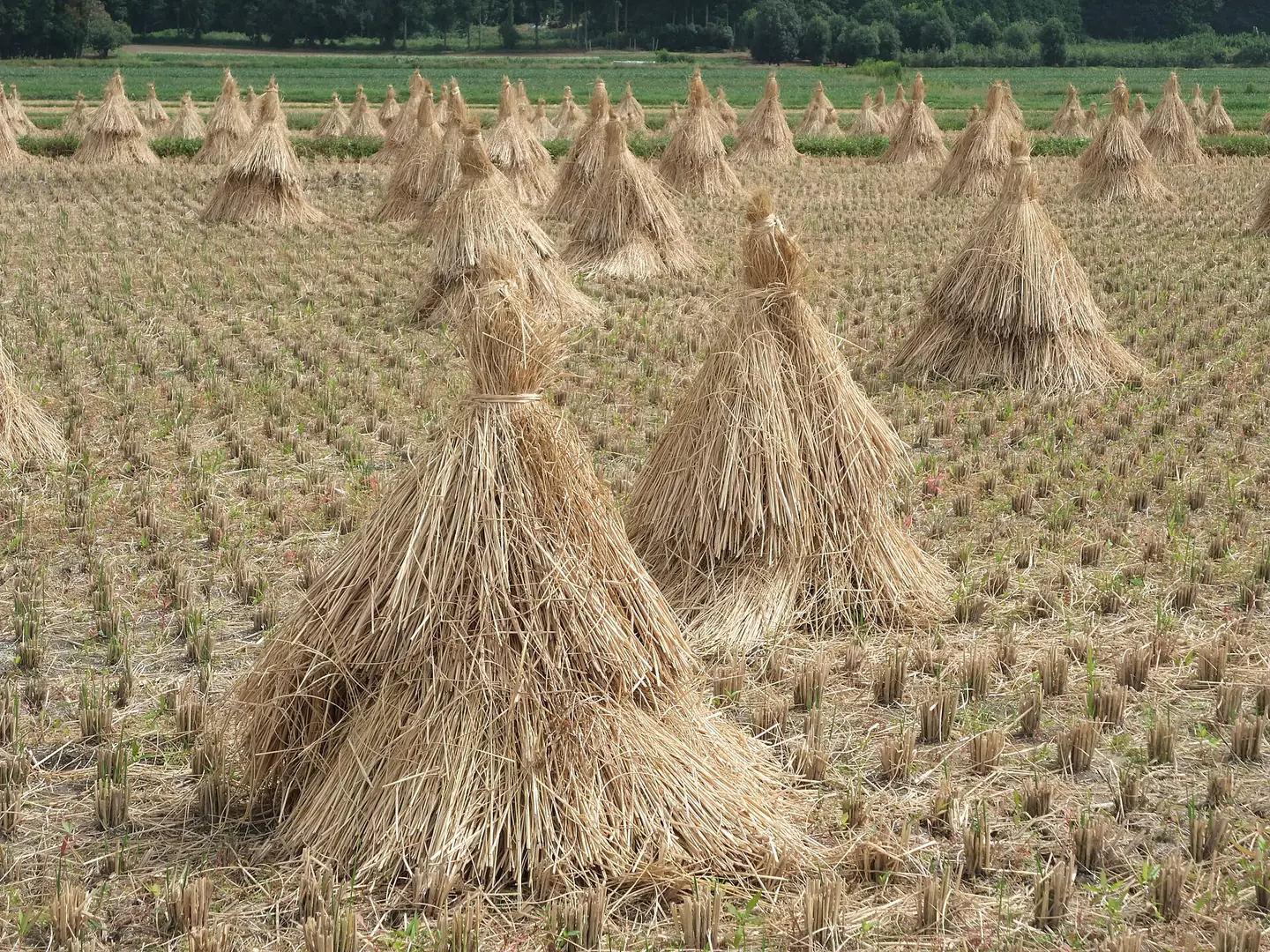
Rows of conical rice straw stacks standing in a harvested paddy field.
Real cultivation photograph. Read its source for location and context; it is not a universal operating specification.Toshihiro Matsui · CC BY-SA 3.0View full photograph ↗
On this pageChoose a section, or keep reading below

Read this in the full guide: Understand the whole Oyster mushroom bag cycle →

Understand the topic

What you need to know.

Oyster straw is treated before spawning to cut down the moulds it brings in from the field. This page explains what pasteurising does and does not do, compares the treatments ICAR-DMR documents, lists their published conditions side by side, and helps you pick one for your scale. Choosing, chopping and wetting straw are covered on the preparation page.

Teaching revised 2026-09-24. Source-linked editorial synthesis; this date does not imply independent technical review.

Part 01

Why straw is treated, and why pasteurising is not sterilising

Oyster mycelium will grow on straw that has only been soaked in water. The trouble is what else lives on field straw. The ICAR-DMR manual names species of Trichoderma, Gliocladium, Penicillium, Aspergillus and Doratomyces as the common competitor fungi. If they are present during spawn run, they take the space, release substances that hold back the mushroom, and can cause total crop failure. The manual reports yield losses of up to 70 percent in Pleurotus from competitor moulds.

Treatment shifts the race in the mushroom's favour. Pasteurisation, by hot water, steam or a chemical steep, kills or suppresses most competitors; the straw is then cooled and spawned in a clean room. Sterilisation in an autoclave goes further, and it only holds if spawning is then done under aseptic conditions.

Treatment is one control among several. The manual says mould can be kept low when pasteurisation is done properly, bags are incubated at the right temperature, fresh substrate is used and hygiene is kept up during spawning and cropping.

Source: ICAR-DMR manual, 2011

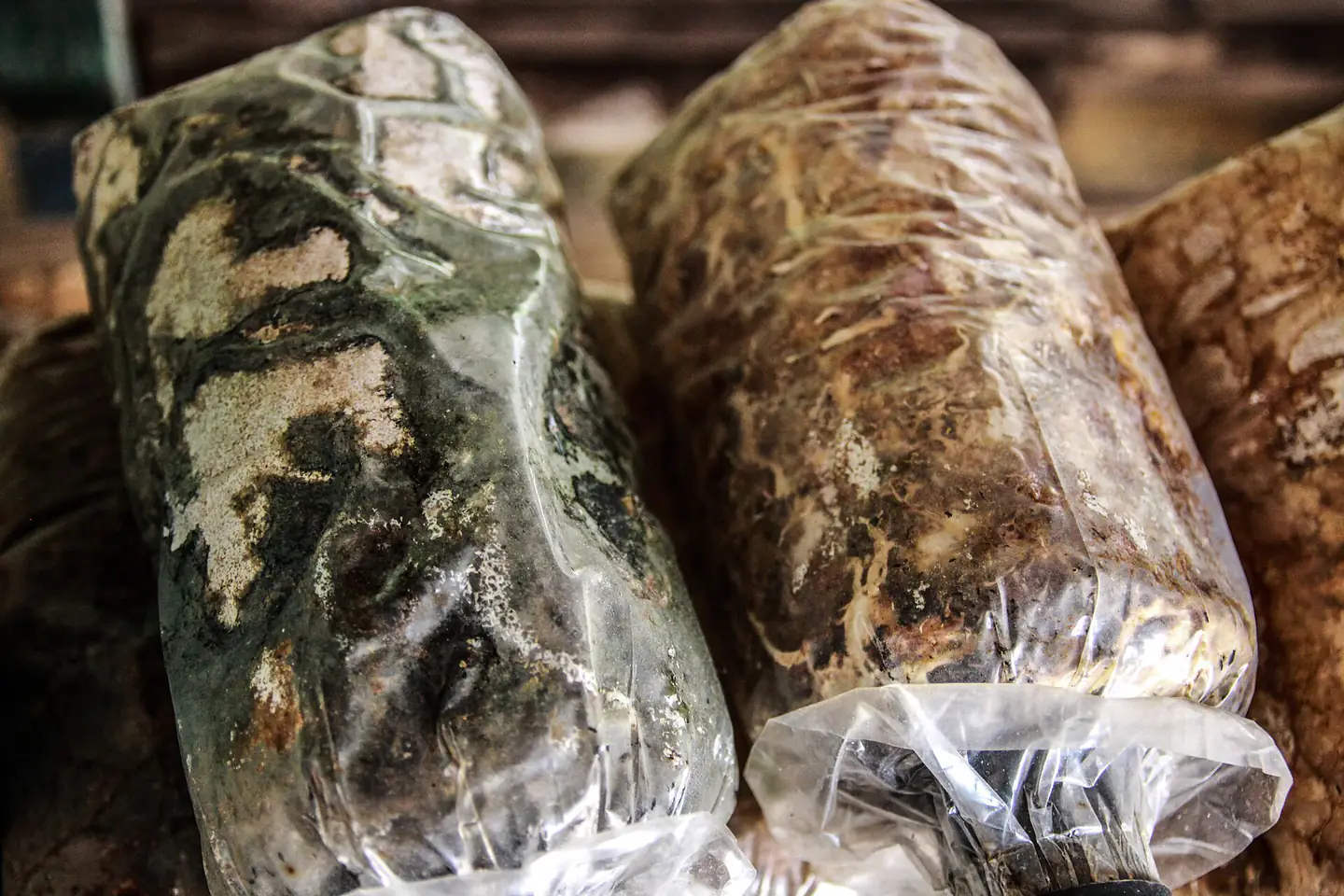
Close view of two plastic substrate bags; one is streaked dark green and grey, the other is brown with pale growth.
Dark green mould has taken over the left-hand bag of this pair, photographed on a Malaysian mushroom farm. Treating straw before spawning aims to prevent this. Photo: Arne Müseler, CC BY-SA 3.0 DE. Source
Part 02

Five treatments ICAR-DMR describes, and what each needs

Hot water. Soaked straw is held in hot water, then drained and cooled. It needs little more than a drum and fuel, so it suits small batches; the manual calls it unsuitable for large-scale commercial cultivation. It also softens hard substrates such as maize cobs and stems.

Steam. Pre-wetted straw in trays, or straw filled into a tunnel, is held at pasteurising temperature with steam from a boiler. This is the commercial route, and it needs a boiler and a pasteurisation room or tunnel.

Chemical steeping. Straw is steeped in a drum of water with a fungicide and formalin, then drained. No heat is needed. The manual reports competitor moulds killed or held back for 25 to 40 days after spawning. Its heading calls this a sterilisation technique, but its own text describes suppression, not sterile straw. Doses are not printed on this site: check current label approval for mushroom use first.

Autoclave. Soaked straw in heat-resistant polypropylene bags is sterilised at 20 psi for 1 to 2 hours and spawned under aseptic conditions. The manual rates it for research more than for commercial production.

Fermentation. Hard residues such as cotton stalks, maize stalks and legume stubble are composted briefly in a heap, then spawned as they are or pasteurised in a tunnel.

Sources: ICAR-DMR manual, 2011 · ICAR-DMR oyster folder

Four ways to treat straw before spawning

Source: ICAR-DMR 2011 manual and oyster folder. Chemical doses are deliberately not printed here.

MethodConditionsBest forLimit
Hot water60 to 65 °C for 20 to 30 minutesCheap, small batchesFuel and labour
Chemical soak10 to 12 kg straw in 90 litres water, DMR methodNo heat, larger batchesCheck current label approval and safety
Steam (pasteurisation)58 to 62 °C for four hoursUniform, commercial scaleNeeds a boiler and tunnel
Autoclave (sterilisation)22 psi for 1½ to 2 hours (DMR shiitake method)Shiitake blocks, spawnCostly equipment
Part 03

Published conditions, document by document

Each ICAR-DMR document gives its own schedule, and they do not match. They are listed as published so you can follow one, name it in your records, and keep to it.

Hot water, oyster folder60 to 65 °C for 20 to 30 minutesStraw soaked overnight in a jute sack first.
Hot water, manual cultivation chapter65 to 70 °C for one hourOr 60 to 120 minutes at 80 °C. Paddy straw: 85 °C for 30 to 45 minutes.
Hot water, manual economics chapter60 to 70 °C for 15 to 30 minutes
Steam room, manual58 to 62 °C for four hoursThe whole process takes about 3 to 5 days.
Steam tunnel, oyster folder60 to 65 °C for about four hoursAfter a wet straw heap has reached 55 to 65 °C.
Chemical steep, straw per 90 litres of water10 to 12 kgManual. The oyster folder puts 12 to 14 kg of dry straw in the same 90 litres.
Chemical steep, time16 to 18 hoursManual. The oyster folder steeps for about 12 to 14 hours, then drains for 2 to 4 hours.
Autoclave20 psi for 1 to 2 hours

Sources: ICAR-DMR oyster folder · ICAR-DMR manual, 2011

Part 04

Choose a treatment by batch size and equipment

No single method suits every farm. Match the method to the equipment you already have and the size of batch you treat, then keep to it.

IfYou treat small batches with a drum and a fire, and have no boiler
ThenUse hot water. Plan to change method if the farm grows, since the manual does not recommend it for large-scale work.
IfYou already make button compost in a pasteurisation tunnel
ThenUse the oyster folder's tunnel method shown here: a wet heap first, then about four hours at 60 to 65 °C with steam.
IfYour substrate is hard, such as cotton stalks, maize stalks or legume stubble
ThenThe manual names its fermentation method as the most suitable for these.
IfYou are thinking of the chemical steep
ThenFirst confirm that each chemical has current label approval for mushroom use where you farm.
IfYou want sterile bags
ThenBudget for an autoclave and an aseptic spawning area first; the manual sees this as a research method.
IfYou cannot measure the temperature of the water or the straw
ThenBuy a thermometer before you treat. Time and temperature are the whole method, and neither can be judged by hand.

Sources: ICAR-DMR oyster folder · ICAR-DMR manual, 2011

The oyster folder's tunnel method

  1. Wet heapWet the straw and build a rectangular heap about 4 feet wide from at least 3 to 4 quintals.
  2. RebuildBreak the heap open and build it again after two days.
  3. Heat upIn about four days the straw reaches 55 to 65 °C.
  4. TunnelFill the tunnel, even out the temperature with the blower, then steam to hold the straw at 60 to 65 °C for about four hours.
  5. Cool and spawnAdd spawn once the straw has cooled.
Part 05

Hot water treatment, as the oyster folder sets it out

This is the method most small growers start with. Keep a thermometer in the water and write down the temperature and the time for every batch.

  1. Start from soaked strawUse chopped straw that has soaked overnight in its jute sack.
  2. Heat the same waterNext day, heat that water to 60 to 65 °C and treat the straw in it.
  3. HoldKeep it at that temperature for about 20 to 30 minutes.
  4. Lift and drainLift the sack out and let the excess water run off.
  5. Cool, then spawnMix in spawn only after the straw has cooled.

Source: ICAR-DMR oyster folder

Part 06

Treatment slips that show up as mould weeks later

Common mistakeSpawning straw straight out of the chemical drum.

Do this insteadThe oyster folder spreads it on a plastic sheet or iron mesh for 2 to 4 hours, so excess water drains and the formalin smell goes.

Common mistakeUsing the chemical solution batch after batch.

Do this insteadThe manual allows the treated water to be used once more, not indefinitely.

Common mistakeAdding spawn while the straw is still hot.

Do this insteadEvery heat method in the ICAR-DMR documents cools the straw before spawn goes in.

Common mistakeExpecting treatment to rescue mouldy or rain-damaged straw.

Do this insteadTreatment cuts down competitors on sound straw. Reject bad straw at delivery instead.

Common mistakeCalling any hot soak sterilisation.

Do this insteadHot water and steam pasteurise. Only the autoclave method sterilises, and only with aseptic spawning after it.

Sources: ICAR-DMR oyster folder · ICAR-DMR manual, 2011

Go deeper

Technical reference, records and tools.

Detailed crop-stage information, parameters, diagrams and specialist tools are kept together below. This material retains its source conditions and review limits.

Open the complete technical reference

oyster · cultivation stage

Oyster substrate pasteurization

Understand a pasteurization-class treatment as a controlled reduction step, not a synonym for sterilization. Evidence, method and India-context boundaries remain visible.

Publication
Editorial review in progress
Evidence records
5
External review
Not yet recorded
Wild ID
Not provided
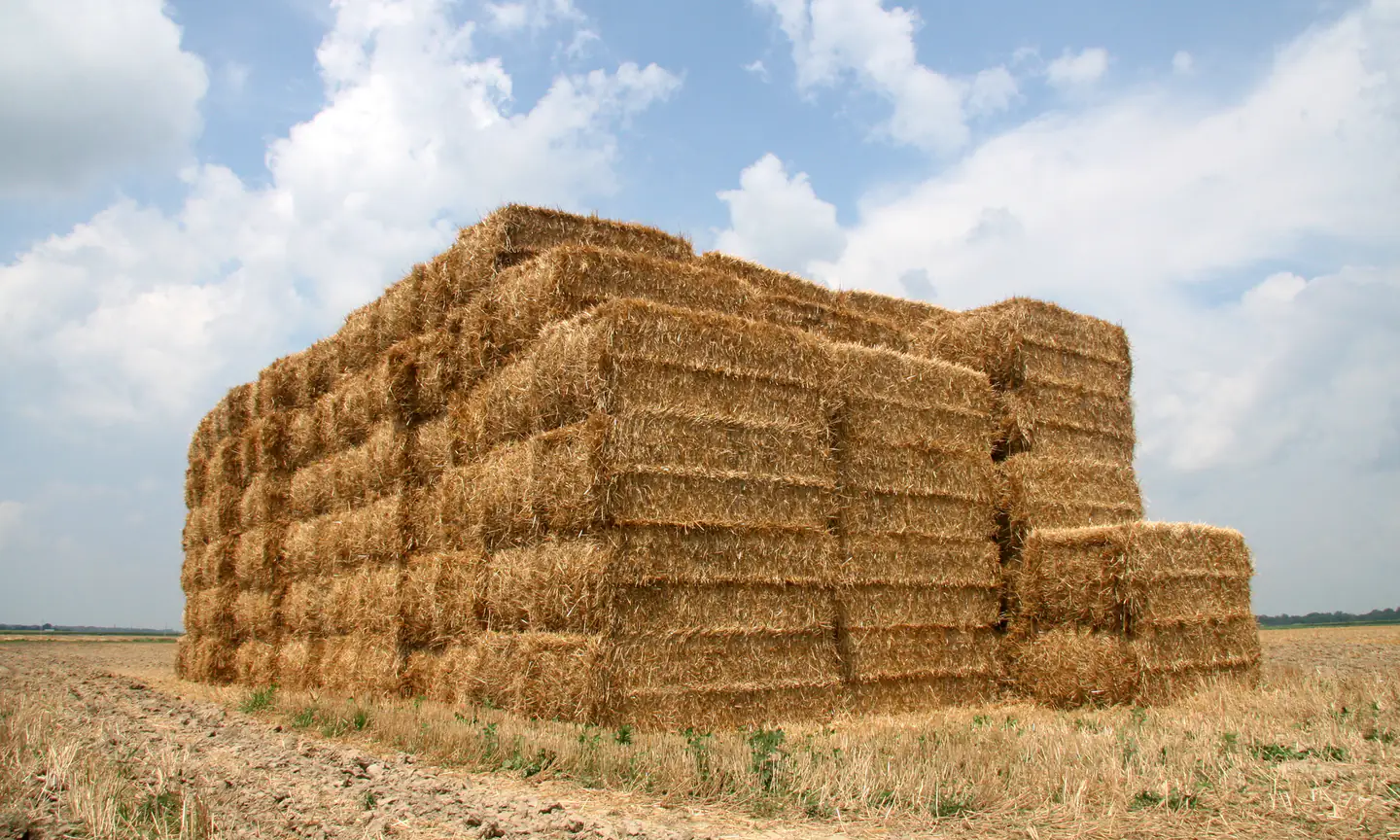
A tall block of stacked rectangular straw bales in a stubble field under a blue sky.
Rectangular bales of wheat straw stacked in a harvested field, the base material of button mushroom compost. Photo: Huw Williams (Huwmanbeing), Public domain. Source

Four ways to treat straw before spawning

Source: ICAR-DMR 2011 manual and oyster folder. Chemical doses are deliberately not printed here.

MethodConditionsBest forLimit
Hot water60 to 65 °C for 20 to 30 minutesCheap, small batchesFuel and labour
Chemical soak10 to 12 kg straw in 90 litres water, DMR methodNo heat, larger batchesCheck current label approval and safety
Steam (pasteurisation)58 to 62 °C for four hoursUniform, commercial scaleNeeds a boiler and tunnel
Autoclave (sterilisation)22 psi for 1½ to 2 hours (DMR shiitake method)Shiitake blocks, spawnCostly equipment

Quick orientation

Understand a pasteurization-class treatment as a controlled reduction step, not a synonym for sterilization. This topic belongs to a Pleurotus substrate-bag or validated block system. The species or strain, substrate treatment and fruiting-air context must travel together.

01

Why this stage matters

Understand a pasteurization-class treatment as a controlled reduction step, not a synonym for sterilization.

02

Method boundary

This topic belongs to a Pleurotus substrate-bag or validated block system. The species or strain, substrate treatment and fruiting-air context must travel together.

  • Confirm the culture as Pleurotus spp., with strain or variety recorded where available.
  • Confirm one method: straw bag or validated lignocellulosic bag or block.
  • Record substrate source, treatment class, batch and contamination observations.
03

Observe and record

Use batch records, stage dates, room observations and contamination patterns. Compare the crop with its own prior condition before changing several variables at once.

04

Evidence status

The page publishes process relationships supported by primary institutional sources. Numeric recipes remain absent where source context, strain identity or specialist review is incomplete.

Production method records

One species can require more than one cultivation model.

OYS-STRAW-BAG

Treated straw bag system

Substrate
clean cereal straw with method evidence
Container
perforated or opened cultivation bag
Treatment
Pasteurization-class treatment or another validated method; not interchangeable with sterilization.
Scale context
home trial to commercial batch, with different hygiene and climate responsibilities
  1. Material check
  2. Treatment
  3. Cooling and moisture check
  4. Spawning
  5. Spawn run
  6. Fruiting transition
  7. Cluster harvest

Trace the boundary

Evidence and limitations

institutional · tier AResearch programmes

Current institutional scope for cultivated and specialty mushroom research in India.

Research scope does not by itself establish a farm recommendation, commercial readiness or strain-specific operating range.

Open primary source
technical-bulletin · tier ATechnologies developed by ICAR-DMR

Institutional method history for oyster, milky, paddy straw, shiitake and selected specialty mushrooms.

Method descriptions are context-specific and contain numeric and broad substrate statements that require independent technical review before operational publication.

Open primary source
current-advisory · tier ACurrent crop advisory

Time-stamped Indian seasonal crop context and the need to choose oyster species for conditions.

Chemical directions are excluded from this platform unless a current label and jurisdiction are independently verified.

Open primary source
technical-bulletin · tier AOyster mushroom cultivation FAQ

Indian institutional distinction between warm- and cool-fruiting Pleurotus species, plus an occupational spore-exposure warning.

The species bands are source context, not a strain guarantee. Generic yield, storage and legacy chemical statements are not carried into operational guidance.

Open primary source
technical-bulletin · tier APost-harvest technology of mushrooms

Species-specific post-harvest deterioration patterns and handling context.

Historic shelf-life statements depend on maturity, handling, packaging and storage conditions and are not reproduced as guarantees.

Open primary source

Read the evidence

Sources & review.

Editorial update: 2026-09-03. Independent technical review is not recorded for this entry.

  1. Research programmes ↗

    ICAR Directorate of Mushroom Research

  2. Technologies developed by ICAR-DMR ↗

    ICAR Directorate of Mushroom Research · 2020

  3. Current crop advisory ↗

    ICAR Directorate of Mushroom Research · 2026

  4. Oyster mushroom cultivation FAQ ↗

    ICAR Directorate of Mushroom Research

  5. Post-harvest technology of mushrooms ↗

    ICAR Directorate of Mushroom Research

Reading a source is not the same as applying its instructions to every farm. Confirm species, strain, crop stage, system, region and publication date. Old chemical recommendations are not current-use instructions.

See something that needs correcting? Tell us →