


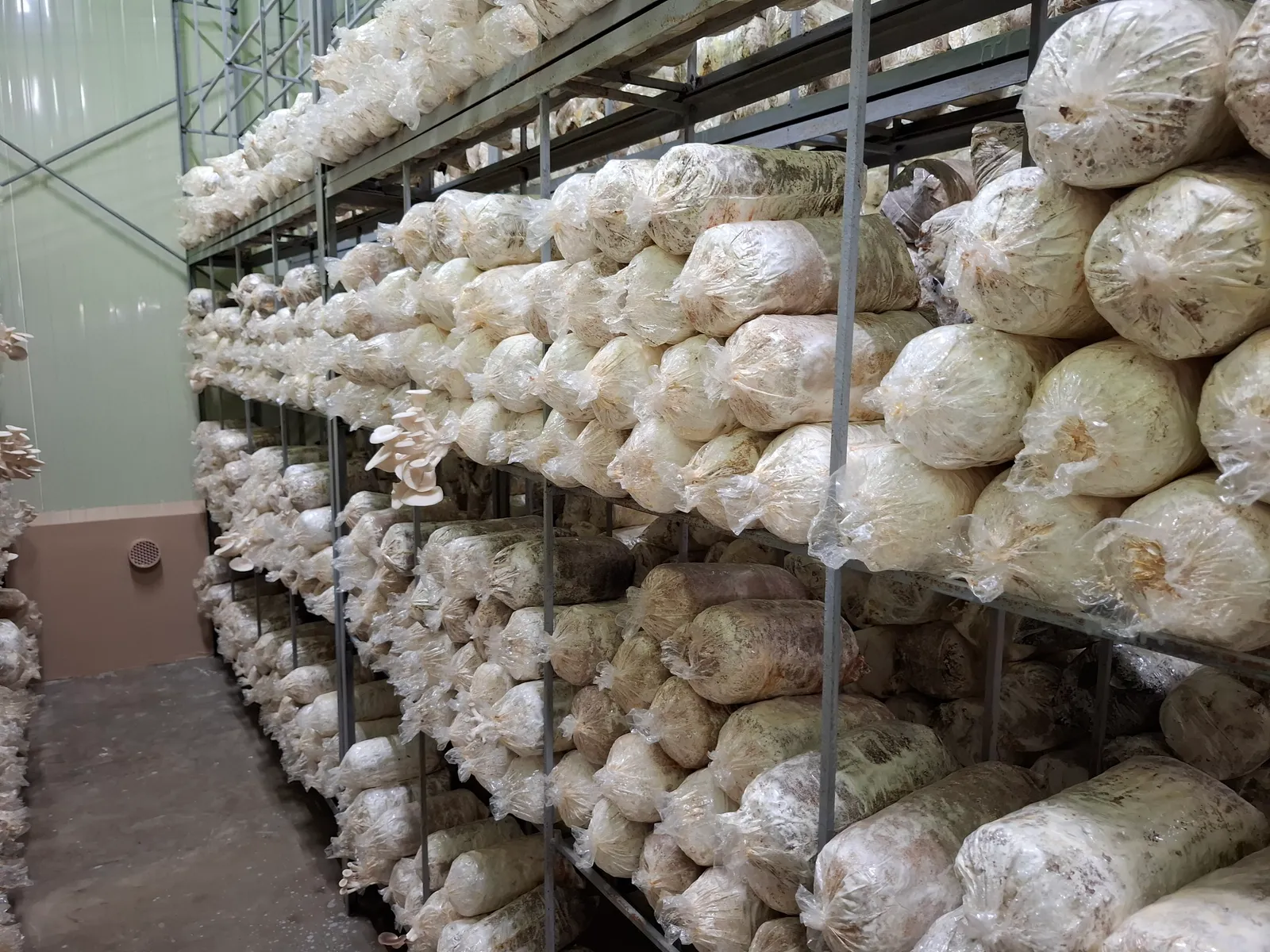
Crop guide
Wood ear cultivation starter system
A species-aware Auricularia foundation for verified wood-based methods, post-harvest and dried-market context. Evidence, method and India-context boundaries remain visible.
- No context-free setpoints
- No profit promises
- Species comes first
- No medical marketing
Identity before method
Wood ear group
Auricularia spp.
- Taxonomy note
- Cultivated Auricularia species must be recorded individually rather than generalized as one taxon.
- India readiness
- nicheIndian research context exists; species identity, method and dried-market evidence remain project-specific.
- Method difficulty
- advanced
- Casing
- no
- Production systems
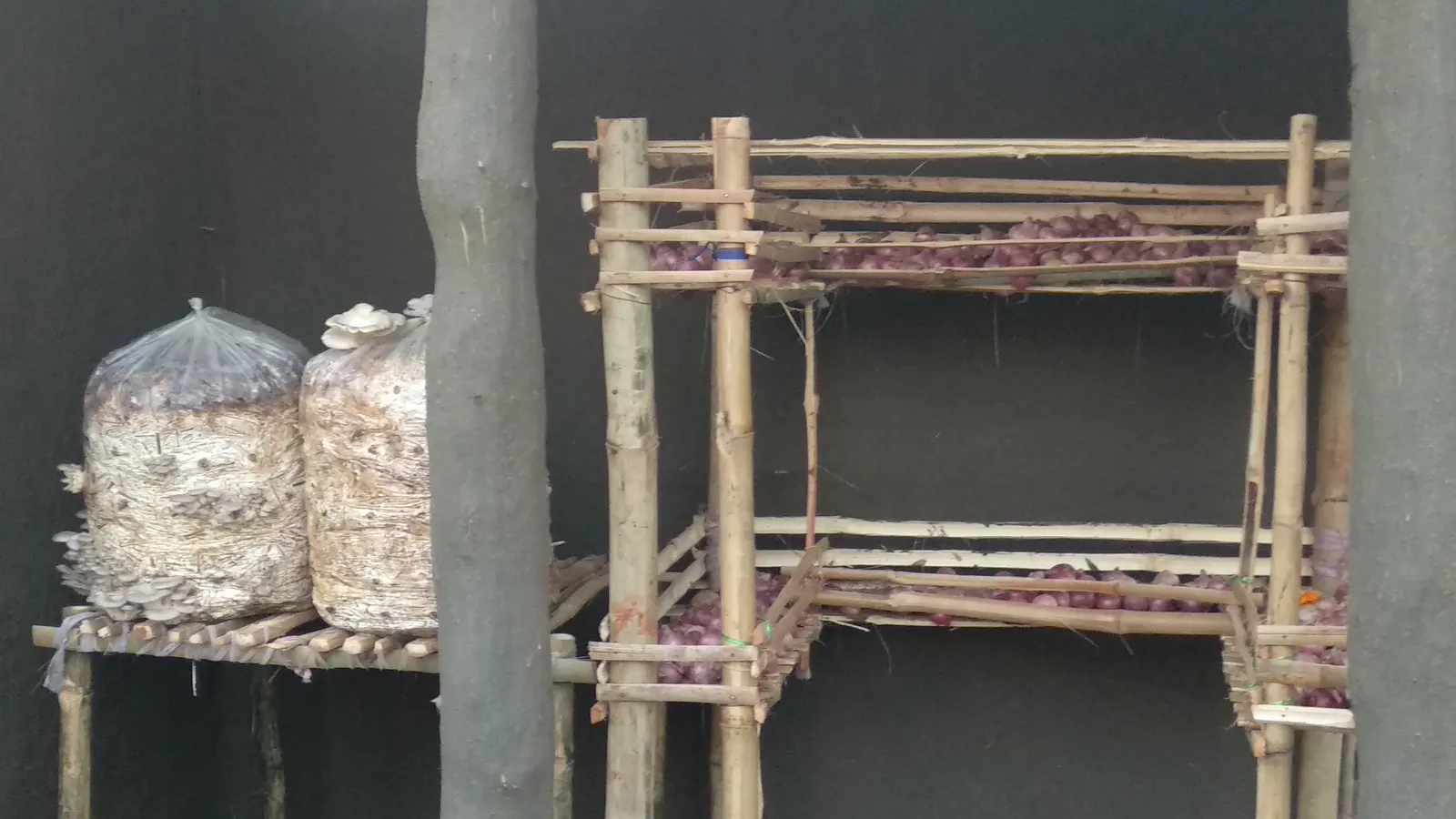
- validated wood-based bag or log system
- Post-harvest
- Fresh and dried products require different processing and market validation.
System relationships
Conceptual crop diagrams
Each diagram shows sequence and boundaries without inventing dimensions, setpoints or wild-species identification cues.
- 01Observation
Stage 1 has its own material, hygiene, environment and evidence checks.
- 02Institutional method
Stage 2 has its own material, hygiene, environment and evidence checks.
- 03Multi-location trial
Stage 3 has its own material, hygiene, environment and evidence checks.
- 04Commercial validation
Stage 4 has its own material, hygiene, environment and evidence checks.
- 05Regulatory permission
Stage 5 has its own material, hygiene, environment and evidence checks.
- 01Identify material
Stage 1 has its own material, hygiene, environment and evidence checks.
- 02Assess nutrient load
Stage 2 has its own material, hygiene, environment and evidence checks.
- 03Select method
Stage 3 has its own material, hygiene, environment and evidence checks.
- 04Validate equipment
Stage 4 has its own material, hygiene, environment and evidence checks.
- 05Cool cleanly
Stage 5 has its own material, hygiene, environment and evidence checks.
- 06Trace batch
Stage 6 has its own material, hygiene, environment and evidence checks.
Canonical learning map
A governed starter system.
Trace the boundary
Evidence and limitations
institutional · tier AResearch programmes
Current institutional scope for cultivated and specialty mushroom research in India.
Research scope does not by itself establish a farm recommendation, commercial readiness or strain-specific operating range.
Open primary sourcetechnical-bulletin · tier ATechnologies developed by ICAR-DMR
Institutional method history for oyster, milky, paddy straw, shiitake and selected specialty mushrooms.
Method descriptions are context-specific and contain numeric and broad substrate statements that require independent technical review before operational publication.
Open primary source