


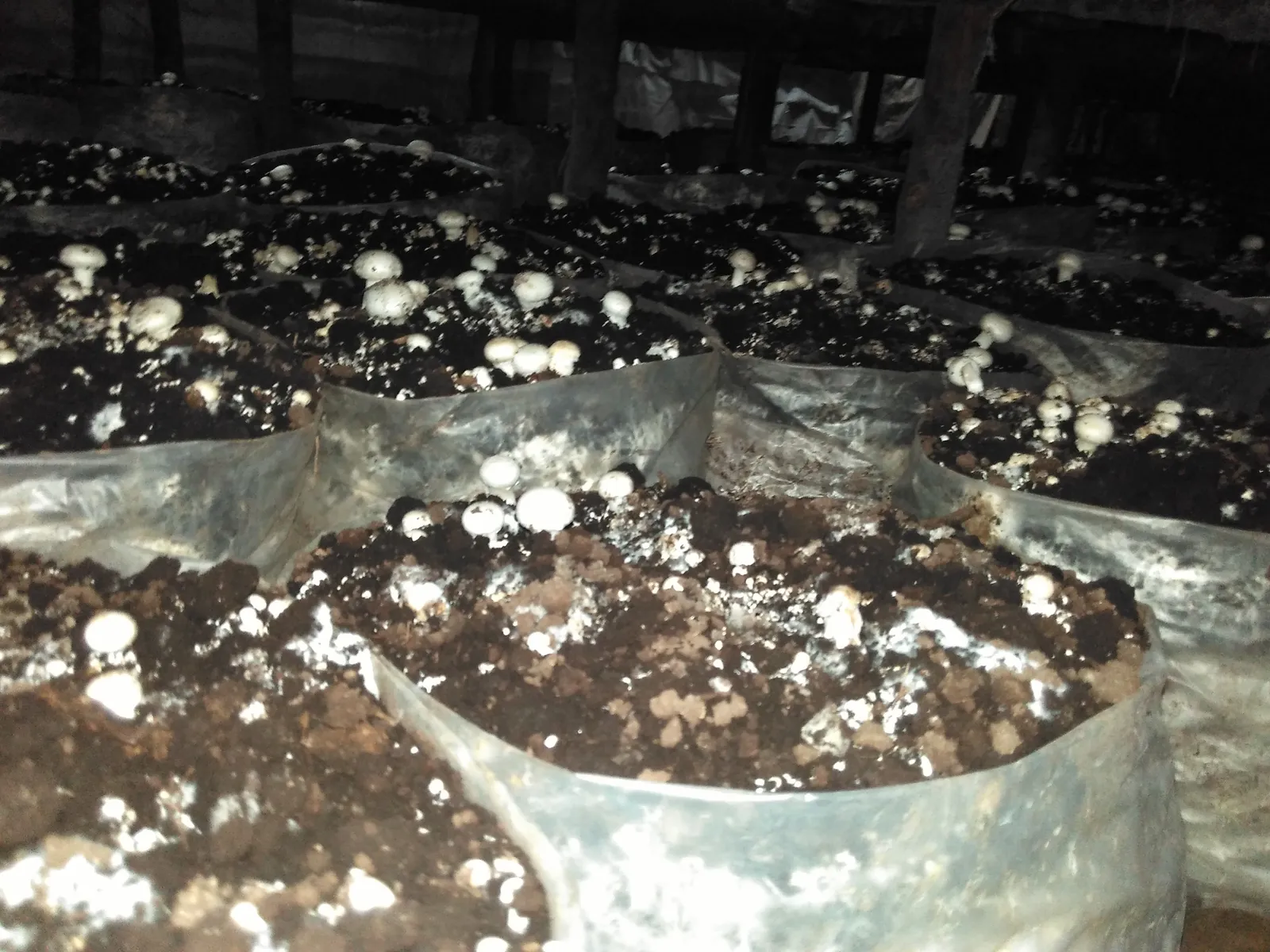
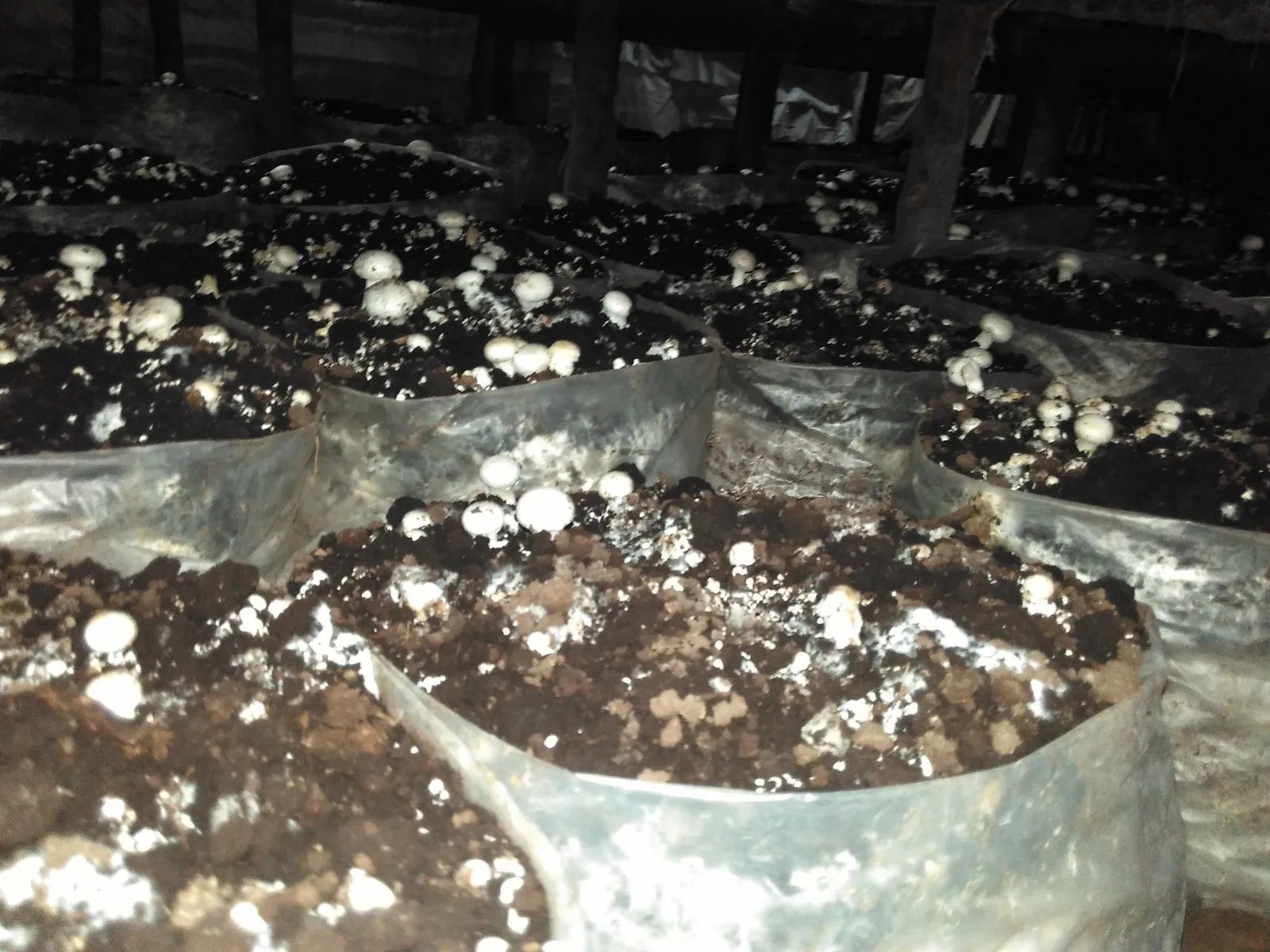
Quick orientation
Never deliberately inhale compost air to test ammonia. Use a defined safe method and representative locations.
01
Simple explanation
Ammonia forms as nitrogen-rich materials are transformed. It must be managed and safely evaluated before spawning.
02
What is happening
Nitrogen degradation, ammonium-ammonia chemistry, pH, temperature, gas transfer and microbial reassimilation determine the observed ammonia state.
03
Operator explanation
Never deliberately inhale compost air to test ammonia. Use a defined safe method and representative locations.
04
What to observe
Observation should describe stage, location, pattern and change history before interpretation.
- Stage of process
- air and compost history
- loading depth
- moisture and structure
- zone differences
- operator irritation
05
What to measure
Measurement must retain method, unit, location, timing, calibration and sample identity.
- Safe detection or instrument method
- multi-location samples
- temperature
- pH by declared method
- oxygen and airflow evidence
06
Equipment and process boundary
Equipment is useful only when its role in the biological process is explicit.
- Appropriate ammonia test
- safe sample access
- ventilation
- PPE and exposure controls under competent safety procedure
07
Variables that interact
Formulation and Phase I create the nitrogen context. Phase II conditioning, air distribution and microbial activity shape residual ammonia.
08
What can go wrong
A symptom may have several mechanisms. Verify the cause before changing the process.
- Smell equals concentration
- olfactory fatigue ignored
- arbitrary extra conditioning time
- remote compost certification
09
What changes at commercial scale
Scaling changes geometry, repeatability, instrumentation, material flow and failure consequence.
- Large masses hide local ammonia pockets
- Commercial units need safe sampling, ventilation and release authority
10
Evidence boundary
Mapped evidence: Dynamics of microbial community and enzyme activities during Agaricus bisporus compost preparation; Physico-chemical properties and thermophilic flora in Button Mushroom compost using spent substrate; ICAR-DMR technical and diagnostic services; Ammonia chemical safety fact sheet. Foundational, current operational, research and engineering sources retain their different roles.
Technical diagrams
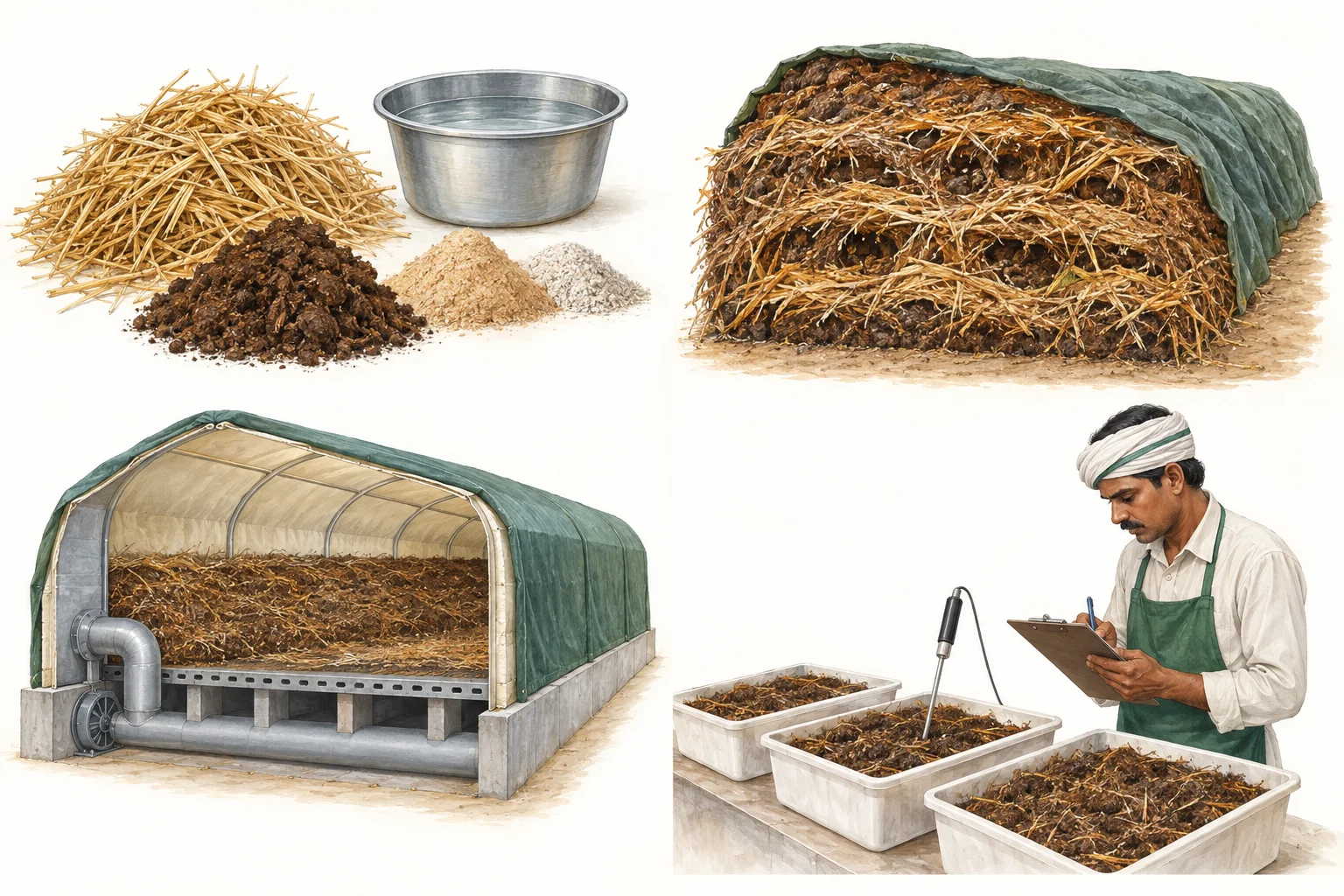
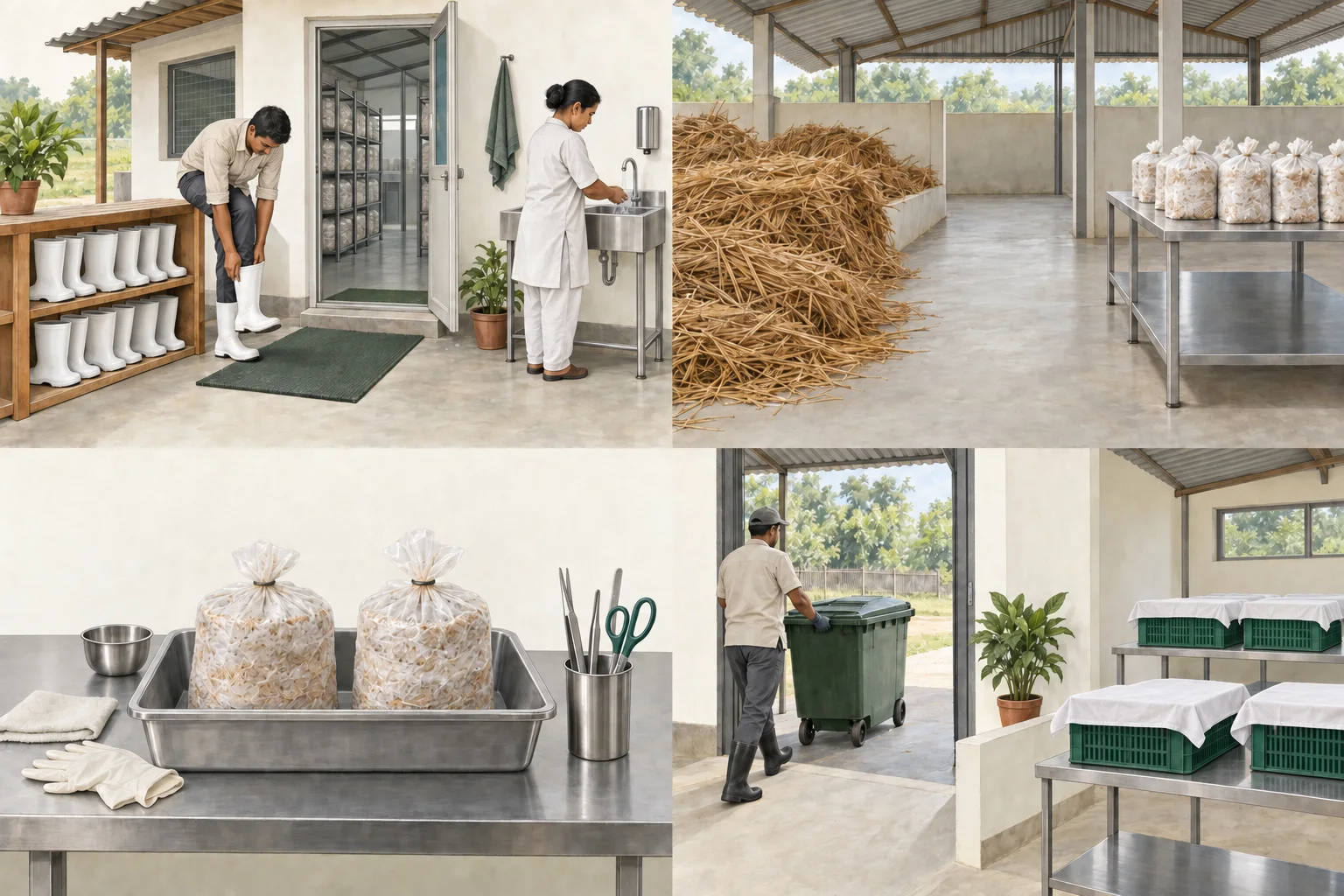
Original system diagrams separate air paths, material paths, measurements and biological transformations.
Progressive depth
Move from field observation to mechanism, engineering and evidence without losing the original question.
PracticalWhat the operator notices
- Ammonia forms as nitrogen-rich materials are transformed. It must be managed and safely evaluated before spawning.
- Stage of process
- air and compost history
- loading depth
TechnicalHow process variables interact
- Formulation and Phase I create the nitrogen context. Phase II conditioning, air distribution and microbial activity shape residual ammonia.
- Safe detection or instrument method
- multi-location samples
- temperature
EngineeringHow the physical system serves the process
- Appropriate ammonia test
- safe sample access
- ventilation
- Large masses hide local ammonia pockets
- Commercial units need safe sampling, ventilation and release authority
ResearchWhich evidence records govern this page
- COMPOST-SRC-ISME-MICROBIAL
- COMPOST-SRC-ICAR-THERMOPHILES
- COMPOST-SRC-DMR-SERVICES
- COMPOST-SRC-CDC-AMMONIA
The numbers for this step, with their source.
Process values are published from ICAR-DMR guidance with the stage and measuring point they apply to. A parameter still marked pending has no published Indian value yet.
Biological and process parameters
COMPOST.PHASE1.AMMONIAsource contextualAmmonia at the end of Phase I
800 to 1,000 ppm- Stage
- Phase I
- Measurement context
- Compost sample at the end of Phase I
- Conditions
- ICAR-DMR: 800 to 1,000 ppm ammonia after Phase I; Phase II must bring free ammonia below 10 ppm before spawning; Measurement method and pH change the reading
COMPOST.AMMONIA.RESIDUALsource contextualResidual ammonia release criterion in the cited DMR method
Technical value pending verification- Stage
- POPC and release
- Measurement context
- Representative compost and process-air evidence using a declared safe method
- Conditions
- The cited release criterion is strictly below 10 ppm; State sampling location, instrument or method, temperature and cooling status; Do not use odour alone as a release measurement
COMPOST.CHEMISTRY.PHsource contextualCompost pH at spawning
7.2 to 7.8 pH- Stage
- Finished compost
- Measurement context
- Composite sample of finished, conditioned compost
- Conditions
- ICAR-DMR: finished compost pH 7.2 to 7.8; After Phase I the pH sits higher, at 8.2 to 8.5; Sample ratio, water and instrument calibration change the reading
Evidence, applicability and review4 mapped sources
Sources support mechanisms and architecture. Technical and engineering values publish only through their separate governed registries.
Dynamics of microbial community and enzyme activities during Agaricus bisporus compost preparation
Microbial succession, thermophilic communities, lignocellulose transformation and conditioning mechanisms.
- Publisher
- ISME Communications
- Accessed
- 2026-08-22
Physico-chemical properties and thermophilic flora in Button Mushroom compost using spent substrate
Thermophilic fungi, ammonia reduction and experimental raw-material substitution context.
- Publisher
- Mushroom Research, ICAR
- Accessed
- 2026-08-22
ICAR-DMR technical and diagnostic services
Official scope for compost, casing and ingredient testing plus technical support.
- Publisher
- ICAR-Directorate of Mushroom Research
- Accessed
- 2026-08-22
Ammonia chemical safety fact sheet
General ammonia exposure hazards and the limits of relying on human smell.
- Publisher
- United States Centers for Disease Control and Prevention
- Accessed
- 2026-08-22