


Refrigeration & Electrical Awareness
A controlled mushroom room is a wet building full of motors, pressure and refrigerant. Knowing which jobs are not yours is part of running it well.
- By the end you can list the hazards a controlled room contains.
- By the end you can say which work needs a qualified specialist.
- By the end you can set entry rules for your own staff.
Read numerical examples with their source, method and crop context. They are not universal operating instructions. Historical prices are not current quotations.
Prepare for failure
- Notice
- Controls, alarms and operator response work as a system.
- Understand
- An alarm only helps when someone knows what to do next.
- Try it
- Keep a safe escalation plan; electrical work belongs to qualified staff.
01What is actually inside the building
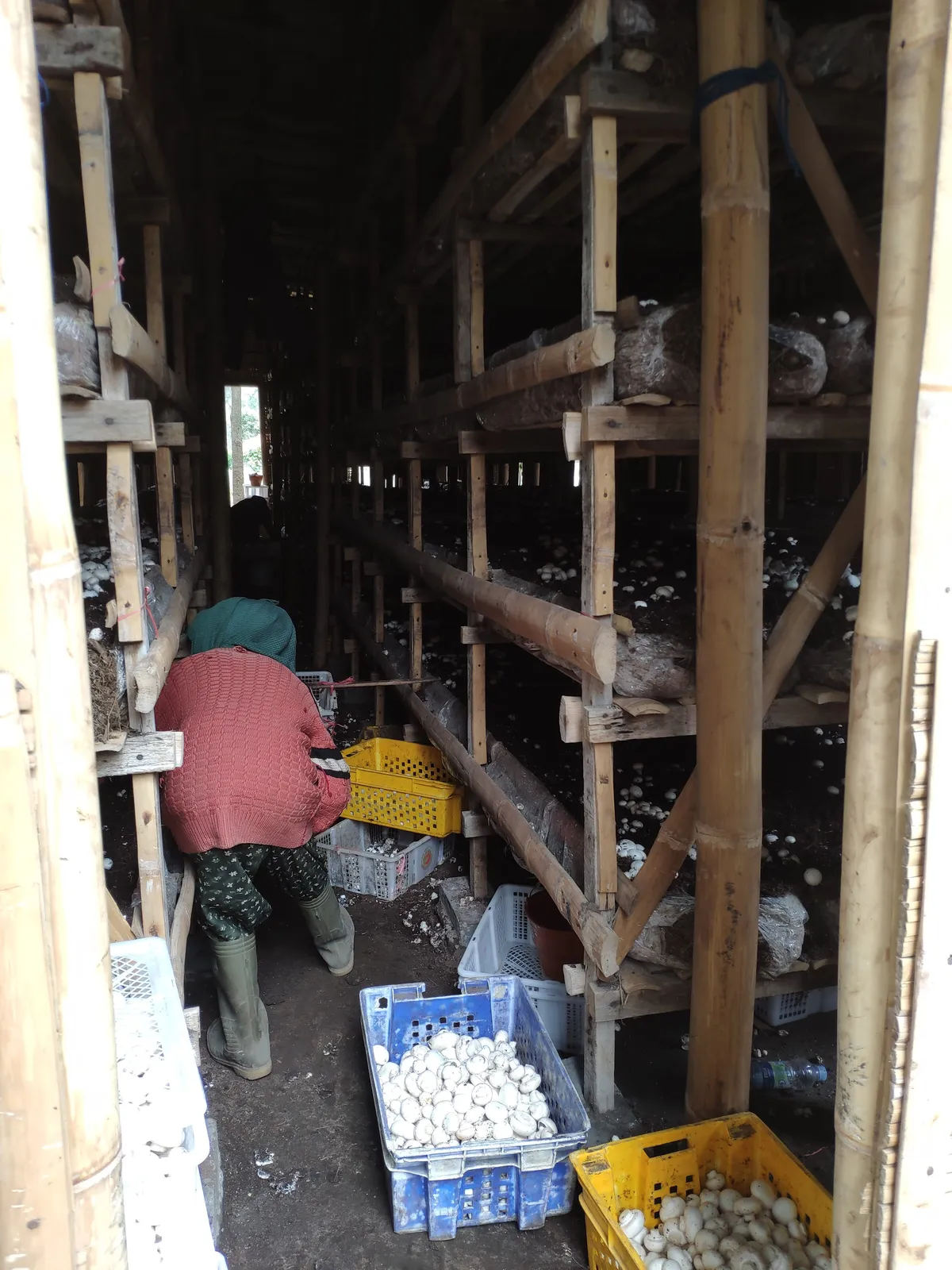
The MIDH 2025-26 cost norms show the equipment plainly. A production unit of Rs 30 lakh is itemised in Telangana as two insulated panel growing rooms with a corridor at about Rs 14,00,000, plus an environmental control system at about Rs 16,00,000.
Even the low cost unit of Rs 2 lakh contains a steaming tank or straw boiler, a chaff cutter, racks, a humidifier and exhaust fans.
So the list is: a refrigeration circuit under pressure, a steam or hot water source, three phase motors, a control panel, and water on the floor all day. Each of those has its own rules, and they overlap in one small room.
02Refrigeration is licensed work
A refrigeration circuit is a sealed pressure system. Charging, brazing, pressure testing, recovering refrigerant and responding to a leak are trained trades, not maintenance you improvise.
Refrigerant choice itself is a regulated decision. The site engineering guides describe it as balancing safety, current regulation, environmental impact, equipment compatibility and the service ecosystem available near you. Ammonia systems in particular carry statutory requirements for handling and for emergency response.
The farmer's job here is different and still real: keep the plant room locked and dry, keep condensers clear, report noises and oil marks, and never open a sealed circuit.
03Electricity and water in one room
Motors, a wet floor and long hours are a combination that kills people. Supply, distribution, protection, earthing, motor starting current and backup power are engineering decisions with Indian standards behind them.
The site engineering guides state the rule the whole of this course sits on: do not select from an unverified numeric rule, and final safety and engineering decisions require qualified project review.
What you own is the daily discipline. Earth leakage protection tested, panels closed, no temporary wiring into a humid room, one person who knows how to isolate power, and a plan for what happens to a crop when power fails.
04The hazards you handle yourself
Pasteurisation means hot water at 80 to 90 C and open steam. Autoclaves run at 15 to 22 pounds per square inch and are pressure vessels: trained operator, working gauge, never opened under pressure.
A sealed spawn run room holds 10,000 to 15,000 parts per million of carbon dioxide, so vent it before anyone walks in. An end of crop cook out at 70 C means the room is not a workplace at all until it cools.
Spores are a health issue too. DMR tells oyster growers to open doors and windows two hours before entering the cropping room and to wear a mask.
Write your farm entry rules
- List every machine in the unit and who is allowed to touch it.
- Name one person trained to isolate electrical power.
- Set a ventilation time before anyone enters a closed room.
- Put masks and gloves where the picking crew starts work.
- Keep contractor names and licence details for refrigeration and electrical work.
Write in your farm diary: Machine list with owners, isolation procedure, entry rules by room, and contractor licence details with dates.
Mistakes that cost a crop
- Topping up refrigerant yourself, which is both unsafe and usually unlawful.
- Running temporary wiring into a humid room for one season that lasts years.
- Sending pickers into a closed room straight after opening it.
Check yourself
Three questions, instant answersWho may open a sealed refrigeration circuit?
Why ventilate a closed spawn run room before entering?
What does DMR tell oyster growers to do before picking?
An editorial self-check, not a certificate. Answers are not stored, not even on this device.
Words used in this lesson
- Pressure vessel
- A closed container operating above normal air pressure.
- Isolation
- Cutting and locking off power before anyone works on equipment.
- Confined space
- An enclosed area whose air can be unsafe to breathe.
References & further reading
Biological requirements are not equipment selections.
Open current reference